Whistler Renovations: What To Know Before You Start (Advice From A Local Carpenter)
Planning a renovation in Whistler? Here’s what to know before you start, from local conditions and common issues to how to get your project right the first time.
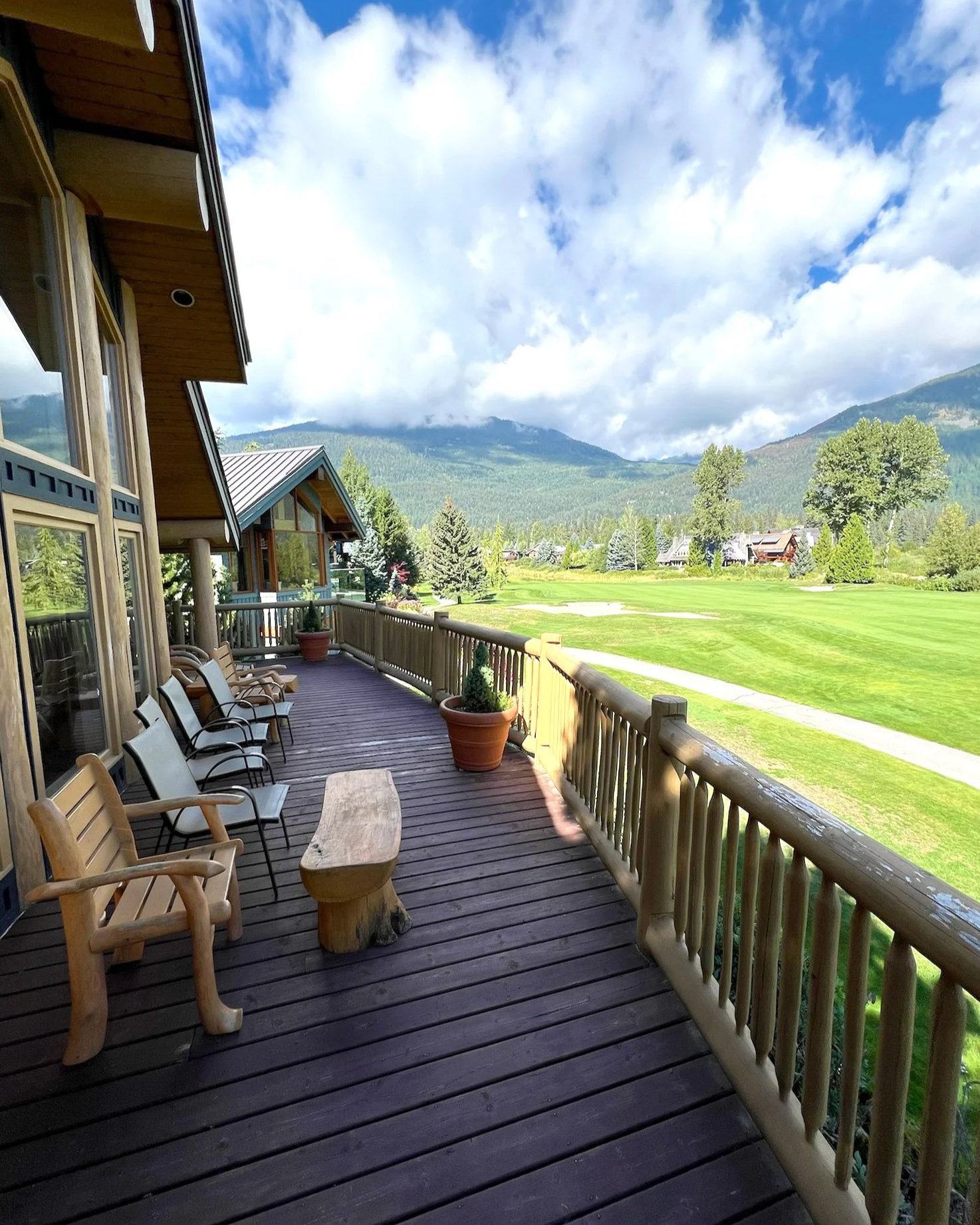
Renovating in Whistler comes with its own set of conditions. Weather, moisture, access and the age of many homes all play a role in how projects unfold.
If you’re planning work in Whistler, Squamish or Pemberton, getting across the local factors early can save time, cost and repeat work later on.
This is what to know before you start.
1) Whistler Homes Aren’t Standard Builds
A lot of homes in the Sea to Sky weren’t built with today’s conditions or usage in mind. Whether it’s your apartment, vacation home or cabin, these conditions show wear-and-tear on home spaces quickly.
Common things we see on-site are:
Older cabins with minimal insulation
Decks and stairs are exposed to a heavy snow load
Ventilation that doesn’t keep up with moisture
Previous repairs that haven’t held up
Renovations here often involve fixing underlying issues first, not just updating finishes.
2) Moisture Is the Biggest Factor
If there’s one thing that drives most renovation work in Whistler, it’s moisture. Between snow, rain and freeze/thaw cycles, homes are constantly expanding and contracting.
Moisture can show up as:
Cracking drywall that keeps coming back
Rot in decks, stairs and exterior timber
Peeling paint and swelling materials
Mould in bathrooms and poorly ventilated areas
A proper renovation looks at the cause, not just the surface.
3) Exterior Work Has a Shorter Window
Outdoor projects in Whistler are heavily weather-dependent.
Decks, stairs and exterior repairs need to be timed around snow and rainy conditions. This is why spring and early summer bookings fill quickly. Leaving it too late often pushes work out another season, so book ahead if you can, for the dryer times like Spring and Summer.
4) Not Everything Needs Replacing
A common assumption is that renovation means full replacement. That’s not always the case.
In many projects, it makes more sense to:
Sand and reseal existing timber
Reinforce the structure instead of rebuilding
Repair sections rather than replace everything
A good approach focuses on what actually needs doing, not just the biggest job possible. This is also great news for your wallet and the planet, as it calls for fewer new materials.
5) Planning Makes or Breaks the Job
Most renovation issues don’t come from the work itself, but from how the job is planned from the outset. A clear scope, a proper understanding of site access and constraints, and the right sequencing of trades all play a role in keeping things on track. In Whistler and the S2S especially, it’s also important to allow for hidden issues that only show up once work begins. When these factors are considered early, even smaller projects tend to run more smoothly and avoid unnecessary delays or rework.
6) Choosing the Right Renovation Approach
There’s no one-size-fits-all approach to renovations. Some homes require a full rebuild, while others are better suited to targeted repairs or ongoing maintenance rather than major work. The right solution, and the cost of the job, depends on the condition of the property, how it’s used, and what issues are actually present beneath the surface.
7) Working with a Local Carpenter
Local experience matters more here than in most places. Knowing how materials perform in the Sea to Sky, how weather impacts timelines, and what tends to fail over time makes a big difference to the end result.
If you’re planning a renovation in Whistler or anywhere across the Sea to Sky, it’s worth getting a second set of eyes on the project early.

Contact Sam at SAW Renovations for personalised advice and a quote for your specific job. With over 15 years of experience and a deep knowledge of the Sea-To-Sky and its conditions, work with a top-rated and trusted local for your next job.