Drywall Repair vs Drywall Replacement: How to Know What Your Home Actually Needs
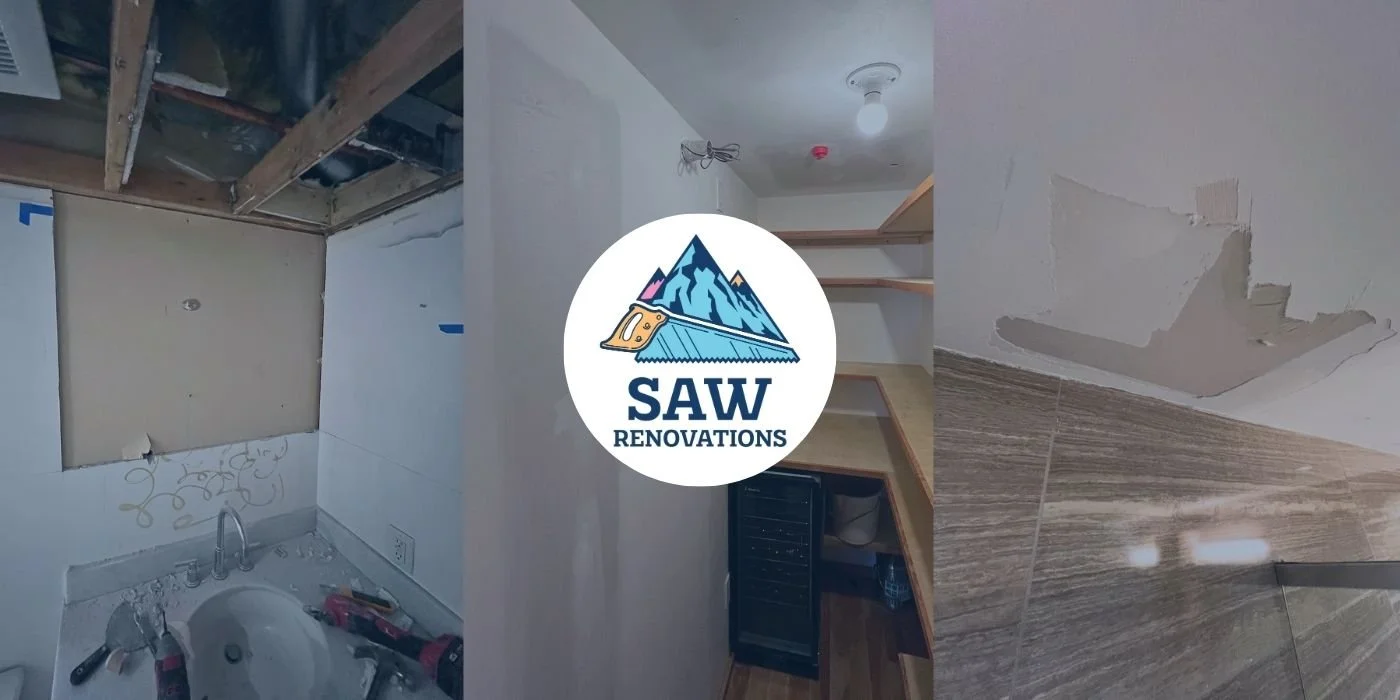
Being based in Whistler for over 15 years, drywall problems are one of the most common issues I see in Sea-to-Sky homes. Cracks, peeling paint, sagging ceilings, and soft spots near bathrooms or exterior walls are all frequent call-outs in our cold, wet climate. The major question with these issues is usually:
Can this be repaired, or does it need to be replaced?
The correct answer depends on what is happening behind the wall surface. So, here is how I assess the difference, based on industry guidance, building science, and real on-site experience across the Sea to Sky.
What Causes Drywall Damage?
Drywall is a non-structural interior finish that depends on dry conditions, stable framing, and proper installation to perform as intended. Drywall durability is significantly affected by moisture exposure and building movement over time.
The most common causes of drywall damage include:
Moisture from plumbing leaks, steam, snow melt, or inadequate ventilation
Seasonal expansion and contraction of framing
Poor installation practices, including rushed mudding or missing primer
Previous patch work that was not properly secured or finished
Cold winters, long wet periods, and older building stock all increase the likelihood of drywall failure. These conditions most often affect ceilings, bathrooms, exterior-facing walls, and areas around windows.
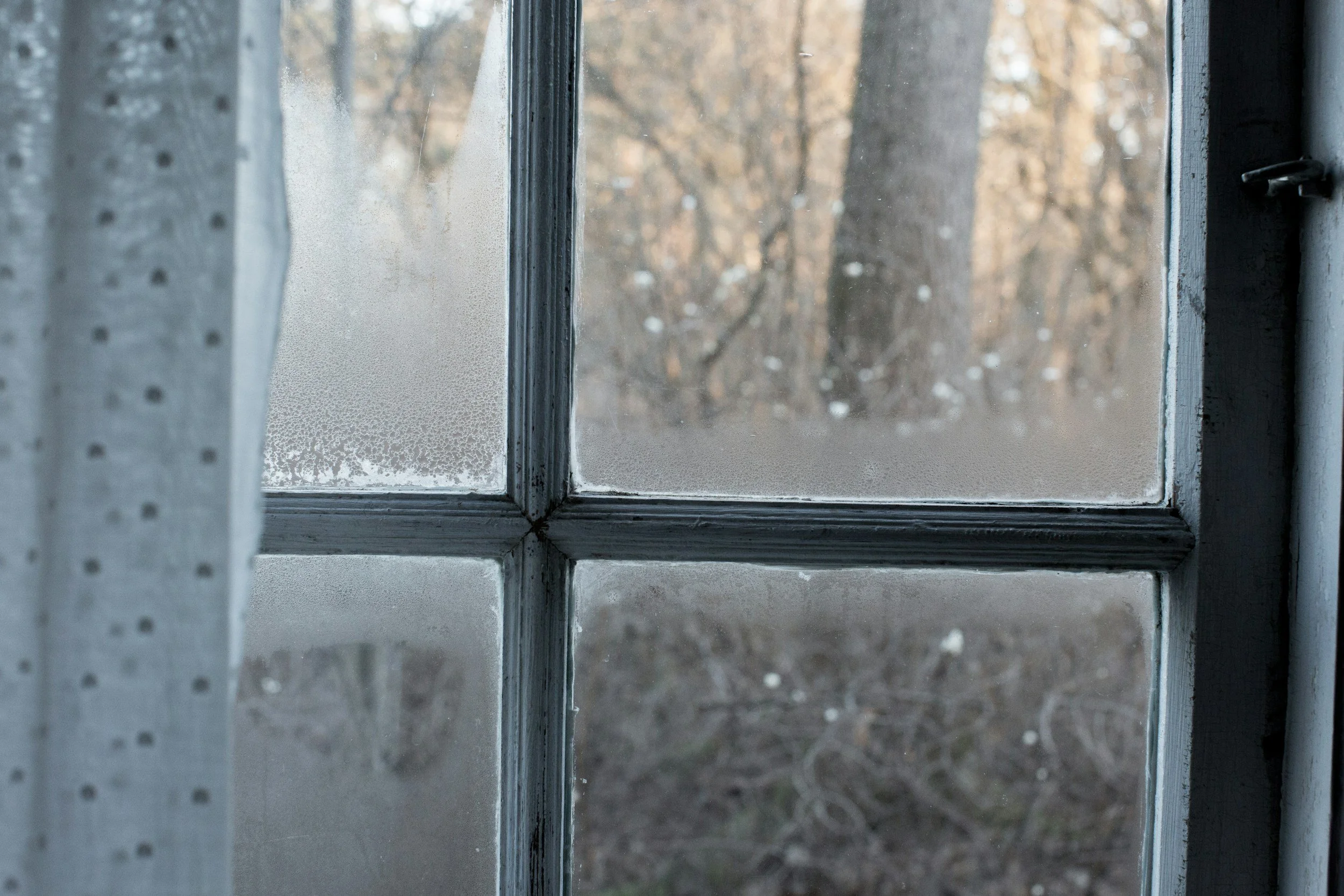
When I Would Recommend Drywall Repairs Over Replacements
Drywall repair is often a good solution when the gypsum core of the board remains solid and undamaged.
Repair is typically appropriate in situations where:
Cracks are thin and follow seams or corners
Nail pops or screw heads are visible
Small holes or dents are present
Paint is peeling but the drywall underneath is firm
Minor water exposure dried quickly and did not soak through the board
Proper drywall repair involves more than filling and painting. Industry best practice includes removing loose material, re-securing the drywall if required, applying tape, building compound in layers, sanding between coats, priming, and then applying the final finish.
Using the correct primer is essential to prevent future paint failure and surface peeling.
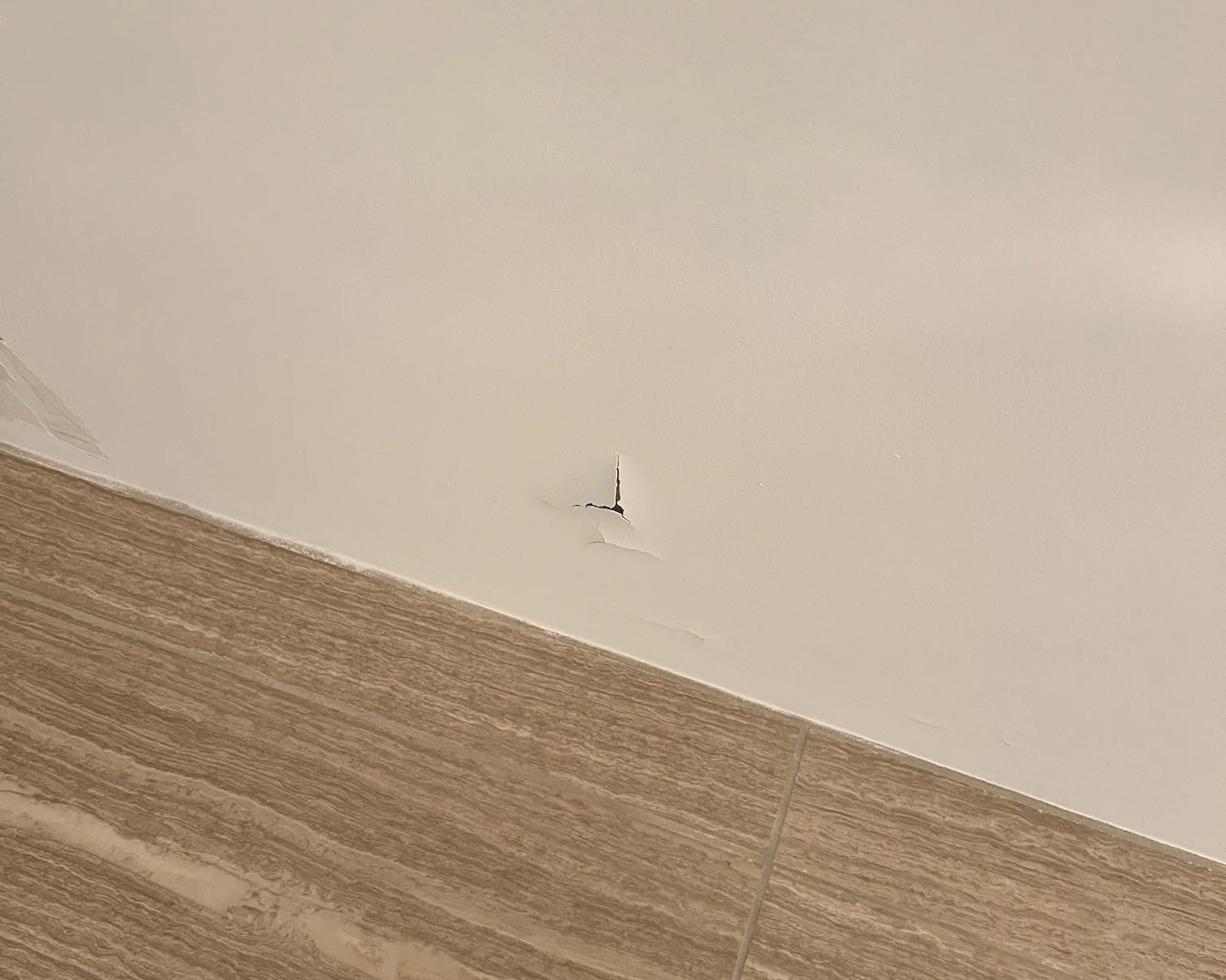
Peeling and bubbling paint is often a sign that your drywall needs attention
When Drywall Replacement Is the Better Option
There are situations where repairing drywall only provides a short-term cosmetic fix. In short, if the wall has prominent water damage, you should replace it as soon as possible for both health and structural reasons.
Replacement is generally recommended when:
Drywall feels soft, swollen, or crumbly
Water damage has fully saturated the board
Ceilings are sagging or bowing
There is a risk of mould growth
Multiple layers of poor patching already exist
Plumbing, venting, or framing changes are required behind the wall
Porous materials, such as drywall, that have been significantly affected by moisture or mould should be removed rather than sealed or covered as soon as possible.
Why Ceiling Drywall Fails First
Ceilings are more vulnerable than walls because heat and moisture rise, and gravity places constant stress on the drywall. Over time, this combination accelerates failure if ventilation or installation is inadequate.
Common ceiling drywall issues include:
Peeling or flaking paint
Visible seams
Cracks following joists
Sagging drywall panels
Moisture buildup and poor ventilation are leading contributors to ceiling damage, particularly in bathrooms, kitchens, and upper floors.
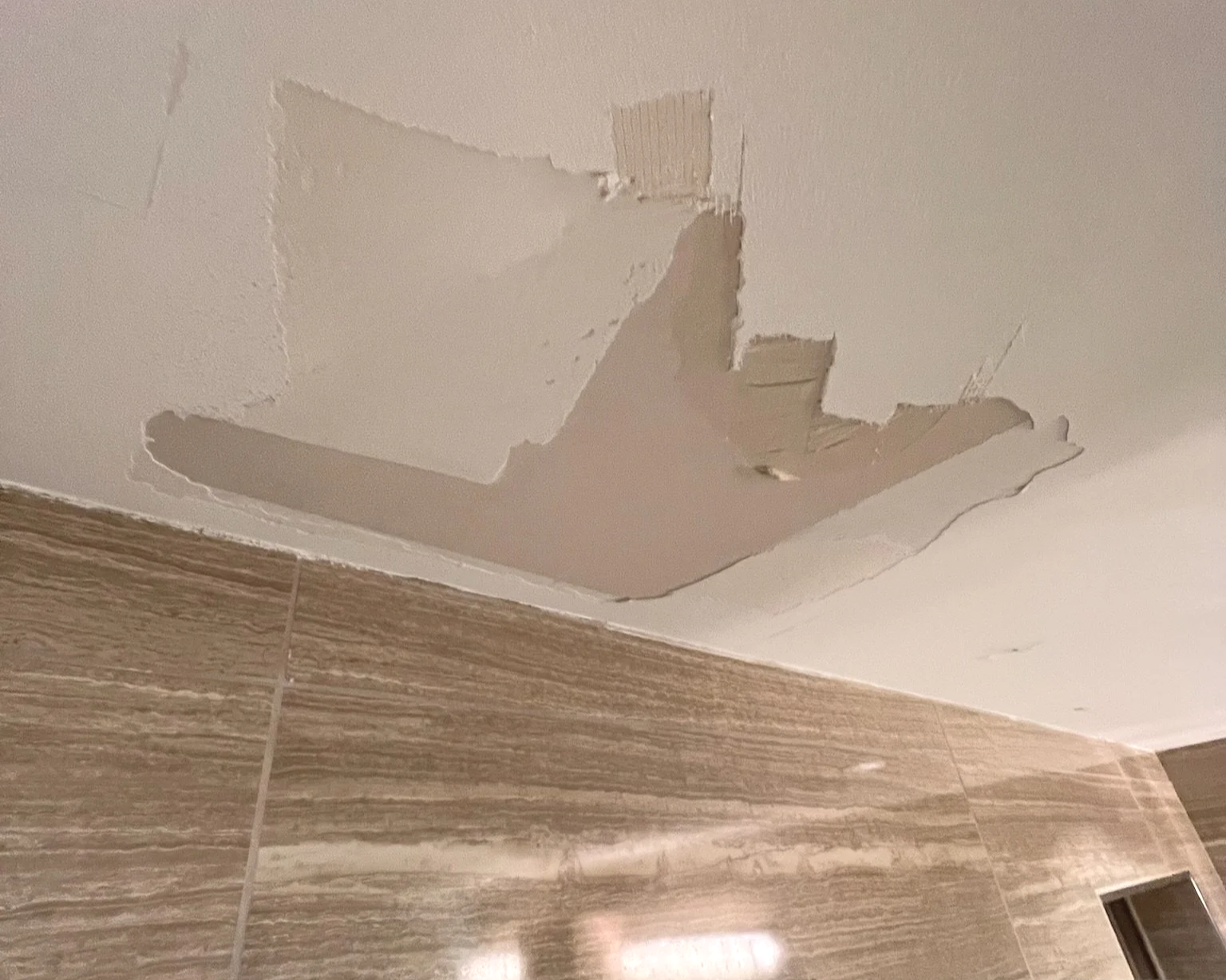
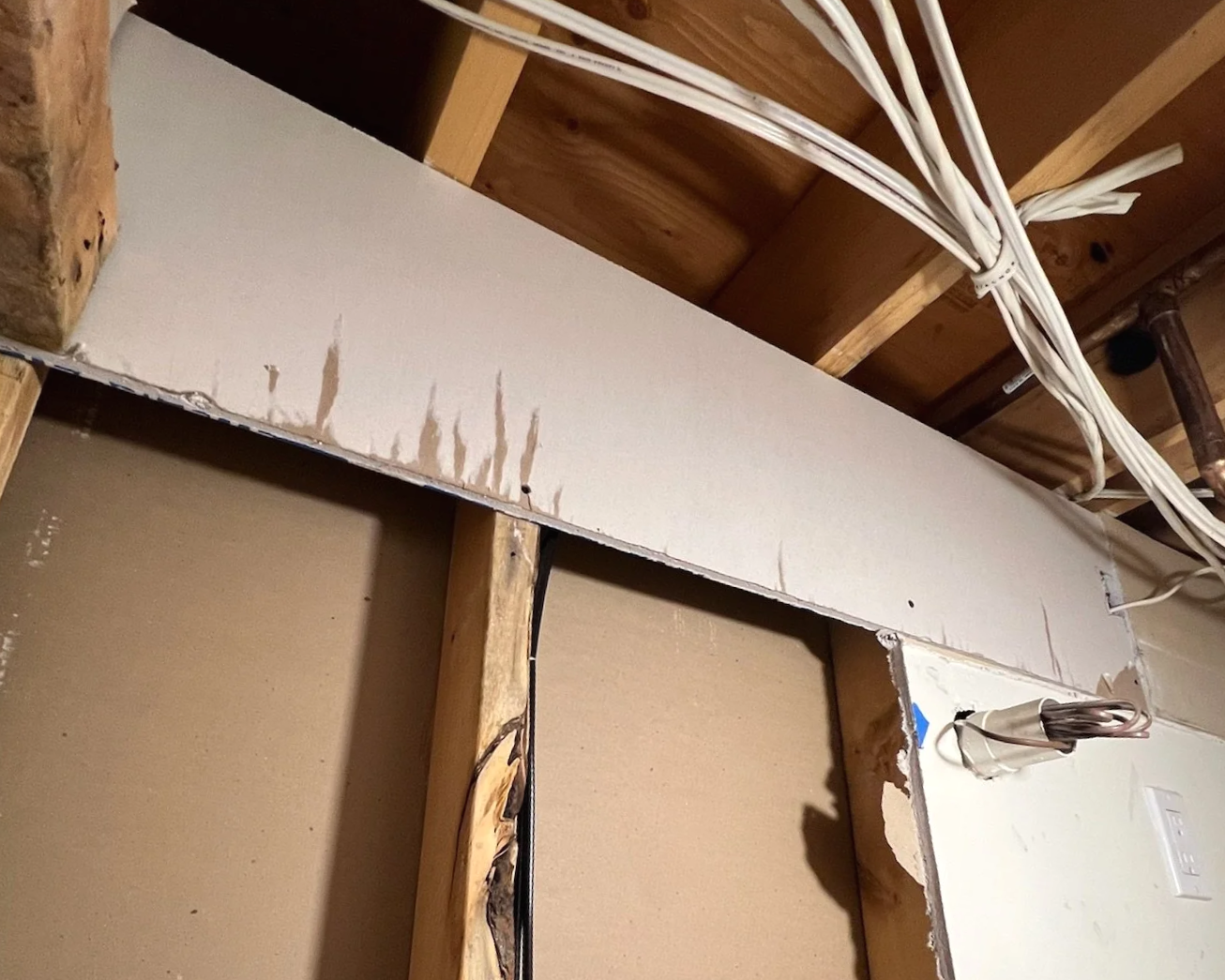
Peeling back bathroom ceiling drywall to reveal much-needed repairs from poor prior work
Repair vs Replacement: Cost Considerations
The cost difference between repair and replacement of drywall depends on the extent of the damage and the condition of the surrounding materials.
In general:
Small, isolated repairs are cost-effective
Large or repeated repairs can become labour-intensive
Replacing damaged sections can be more durable in the long term
Covering compromised drywall often leads to more issues
The goal is not the lowest short-term cost, but a solution that performs well in all seasons and reduces the likelihood of future repairs.
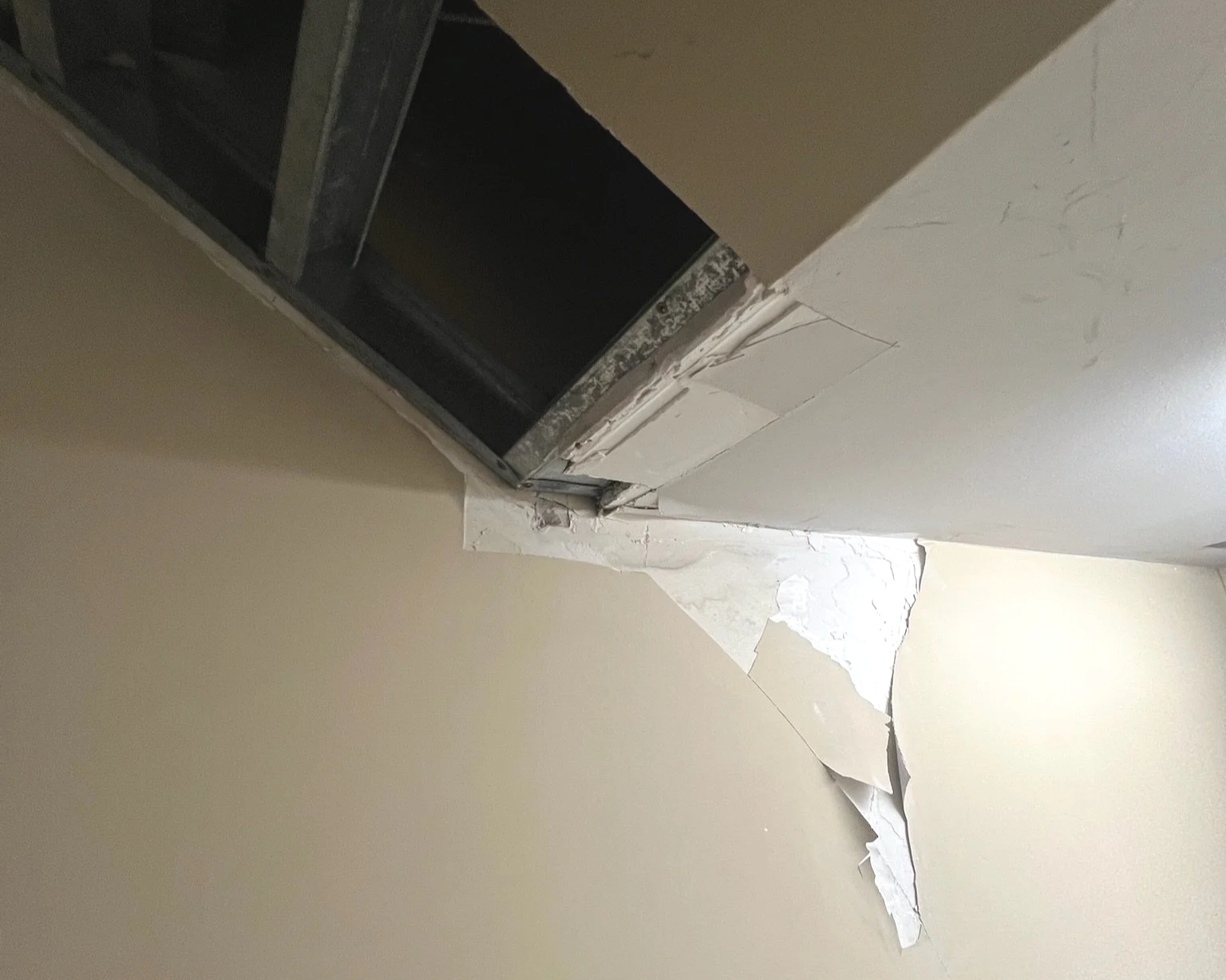
Drywall Specifics In Whistler & The Sea-to-Sky
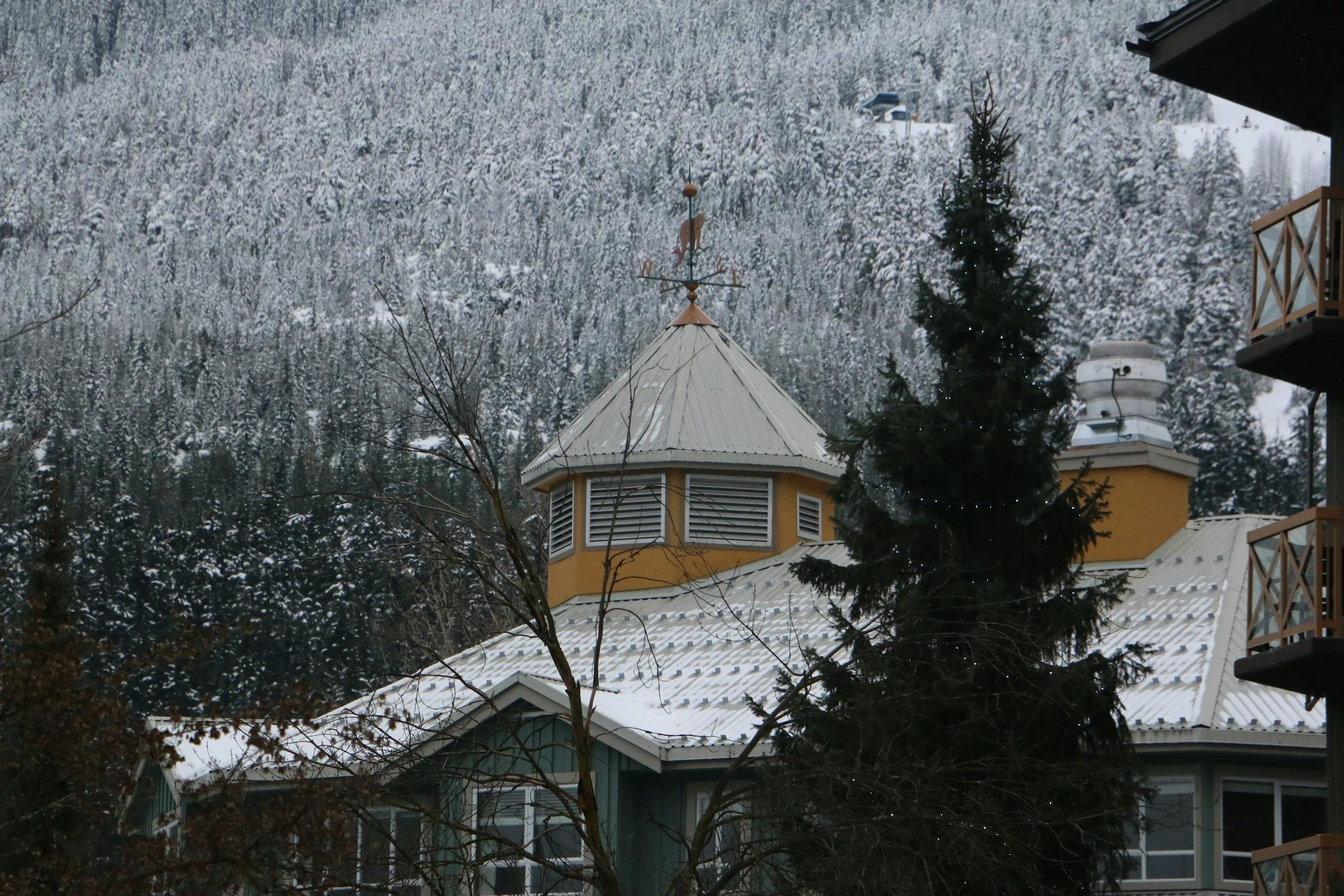
Drywall systems that perform well in dry climates often struggle in wet, mountain environments like the Sea to Sky. Homes here experience regular humidity swings, long wet seasons, freeze-thaw cycles, and extended periods of indoor heating through the winter.
These conditions commonly lead to:
Moisture buildup in ceilings and exterior walls due to poor ventilation
Cracking at joints as framing expands and contracts
Paint and primer failure when surfaces are not properly sealed
Ceiling sag caused by moisture exposure or inadequate fastening
Moisture control, ventilation, and correct installation methods directly affect the durability of interior finishes in cold, wet climates.
Local experience matters because most drywall failures are not caused by the material itself, but by how it was installed and finished for the conditions. Knowing where and why these issues occur helps prevent repeat problems.
When to Call a Professional
A professional assessment is recommended if you notice:
Cracks that return after being repaired
Water staining or bubbling paint
Soft or weakened drywall
Ceiling movement or sagging
Ongoing paint failure
Drywall damage is often a symptom of a larger issue. Identifying the cause early can prevent more extensive and costly repairs later.
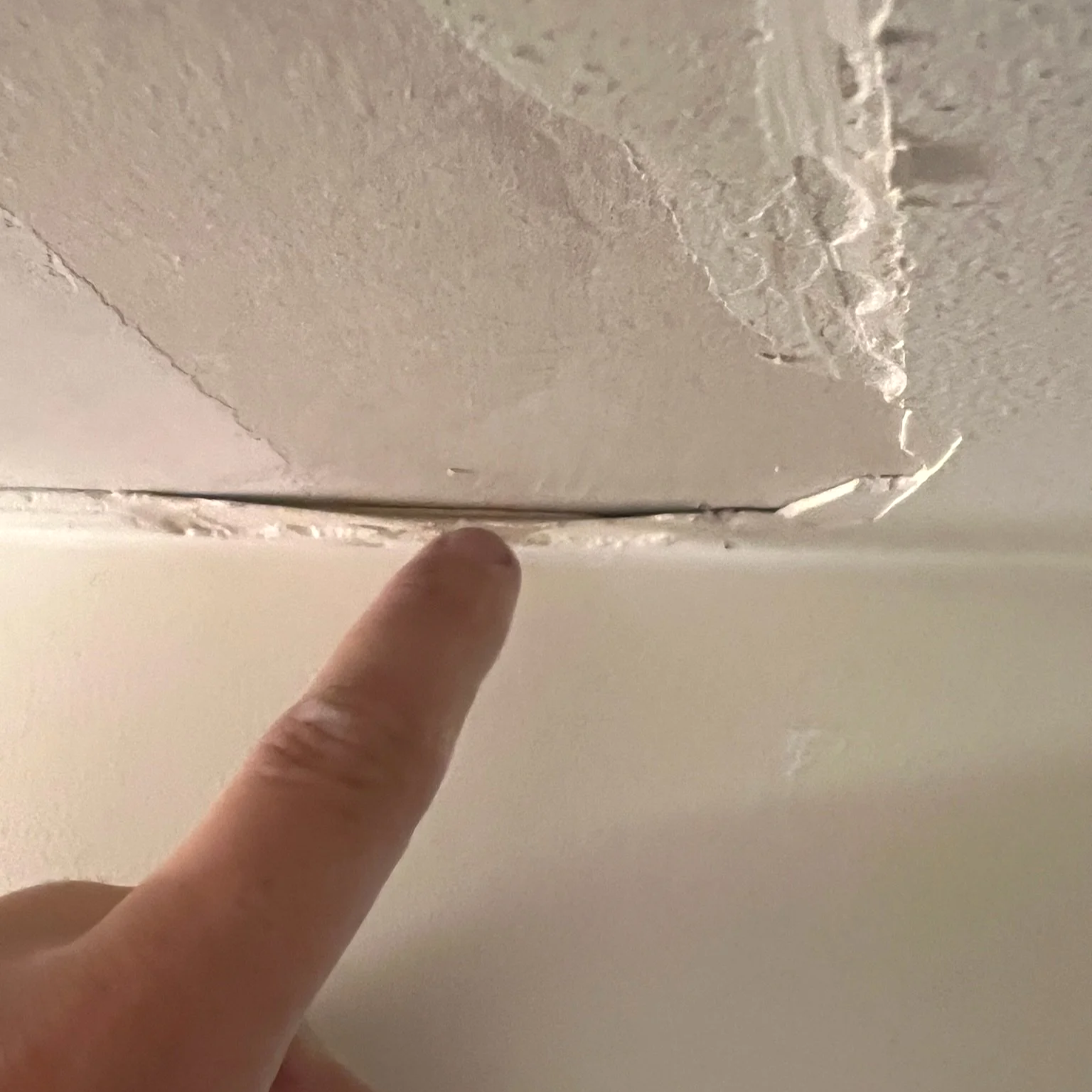
Drywall Repair in Whistler and Across the Sea to Sky
Drywall repair and replacement across Whistler and the Sea to Sky require an approach that accounts for moisture, building movement, and local climate conditions. At SAW Renovations, the focus is on proper preparation, correct materials, and finishes designed to last.
If you are unsure whether drywall repair or replacement is the right solution for your home, get in touch with Sam for your free consultation today.
Sources
USG – Drywall Finishing and Repair Guidelines
https://www.usg.comPaint Quality Institute – Why Primer Matters
https://www.paintquality.comGypsum Association – Drywall and Moisture Resistance
https://www.gypsum.orgHealth Canada – Mould in Indoor Environments
https://www.canada.caEnvironmental Protection Agency – Mould Cleanup in Your Home
https://www.epa.gov/moldCanada Mortgage and Housing Corporation (CMHC) – Moisture and Air Leakage Control
https://www.cmhc-schl.gc.caCMHC – Building Durability in Cold and Wet Climates
https://www.cmhc-schl.gc.ca