Sea to Sky Winter Home Maintenance Checklist

Cosy fireside interiors to make the most of your indoor time this winter
A practical guide for Whistler, Squamish and Pemberton homeowners.
Winter in the Sea to Sky comes with its own mix of challenges. Across Whistler, Squamish, Pemberton and everywhere in between, we see steady snowfall, long wet periods, shifting temperatures and the occasional deep freeze. None of it is unusual for the region, but all of it puts constant pressure on our homes. Staying on top of maintenance helps prevent moisture issues, freeze/thaw damage and unnecessary repair bills once spring arrives.
Here’s a 2025 winter-ready checklist based on real local weather patterns and common home issues we see throughout the region.
Understanding Sea to Sky Winter Conditions
A quick overview of typical winter behaviour across the region:
Whistler
Snowfall: Roughly 10-12 metres per season
Temperatures: Often -8°C to 2°C
Pattern: Regular snow, ongoing freeze/thaw cycles, and roof snow accumulation
Squamish
Rainfall: Around 1,500-2,000 mm annually, with the wettest months from November to February
Temperatures: Generally 0°C to 7°C
Pattern: Extended wet periods, higher humidity, and occasional wet snow
Pemberton
Temperatures: Often -12°C to -2°C
Pattern: Colder nights, deeper freezes, and moderate town snowfall
While each town has its own weather tendencies, the overall winter pattern across the corridor is consistent: moisture, cold spells and temperature shifts, which are unfortunately perfect conditions for leaks, drafts, rot, mould and general wear if maintenance slips!
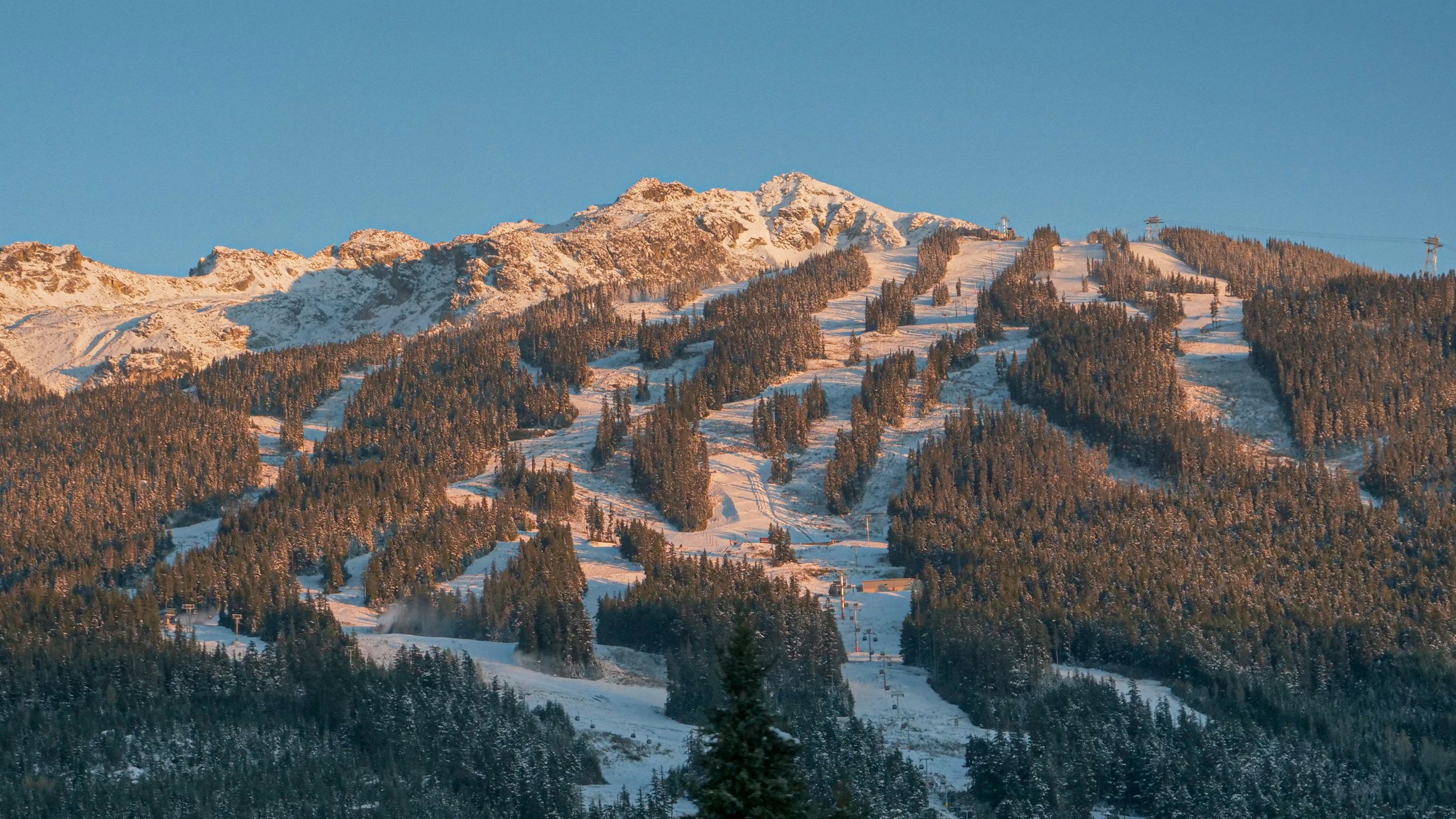
1. Inspect your home exterior before temperatures drop
Cold weather exaggerates weak points, especially around timber or older siding.
Check for:
cracks in exterior walls
gaps around window and door trims
peeling paint
soft or damp timber
loose flashing or panels
early signs of water damage
Homes across the corridor move slightly with seasonal temperature changes, so sealing issues early helps avoid winter leaks.
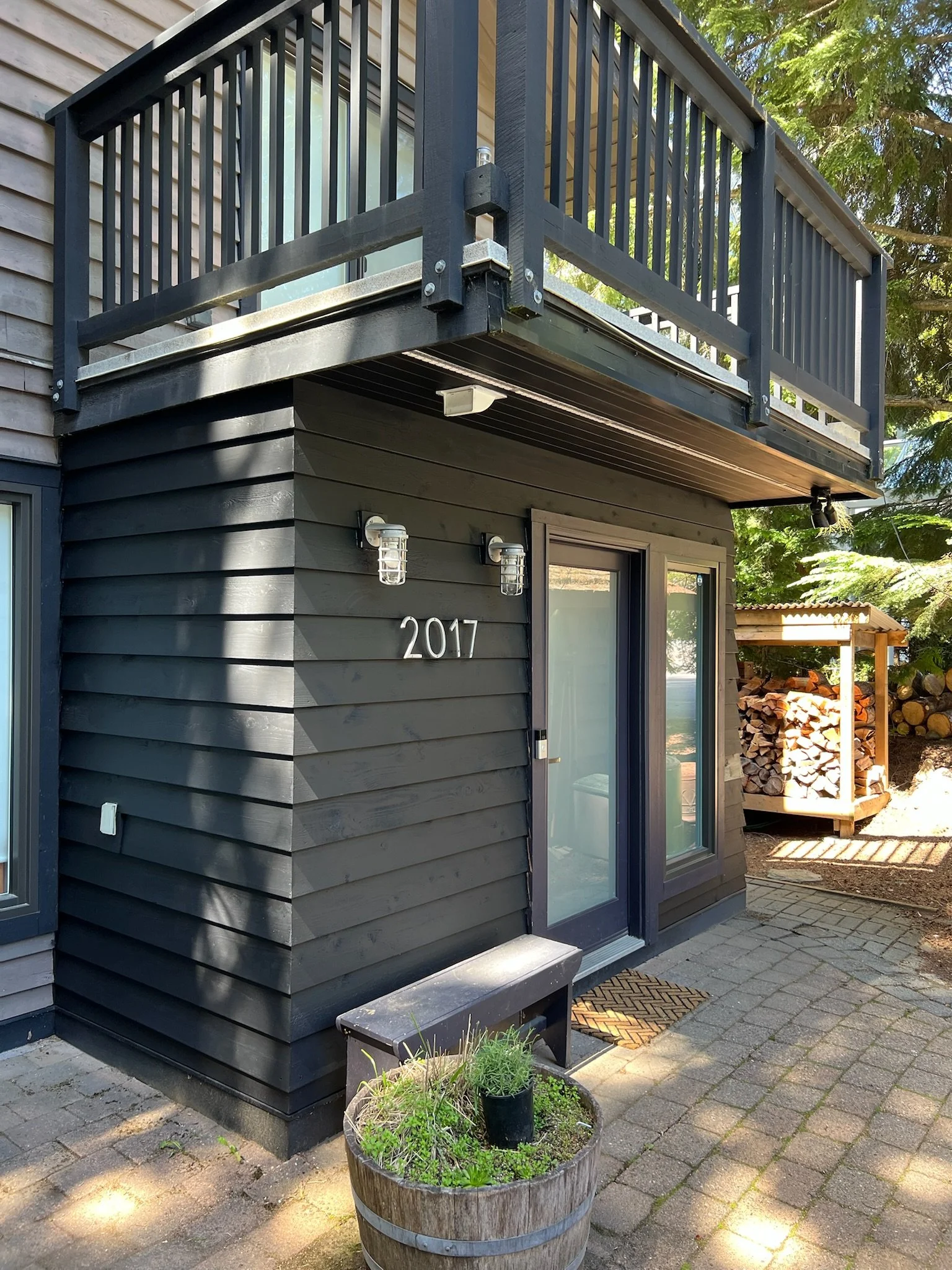
Recent SAW project, painting and refurbishing this timber exterior
2. Clear gutters and downpipes
Whether you’re dealing with steady rain, snowmelt or a mix of both, clean gutters are essential.
Blocked gutters can lead to:
water backing into walls
roof-edge rot
moisture pooling around foundations
ice dams during cold spells
Clear leaves, needles, moss and build-up, then flush water through the downpipes to ensure everything drains properly.
3. Get your roof checked
Roofs handle a lot during Sea to Sky winters: snow, rain, melt, ice and constant moisture shifts.
Look for:
missing or worn shingles
exposed underlay
pooling water
sagging sections
early ice formation
If your roof is older or has had issues before, a pre-winter inspection is a smart preventative step. Never get up on your roof without the right experience, gear or knowledge.
4. Improve insulation and seal drafts
Good sealing keeps heat in, reduces energy costs and helps prevent condensation forming inside walls.
Check:
window caulking
door weather-stripping
attic hatch seals
gaps around vents or pipes
older insulation that may need updating
Even small drafts can create long-term moisture issues.
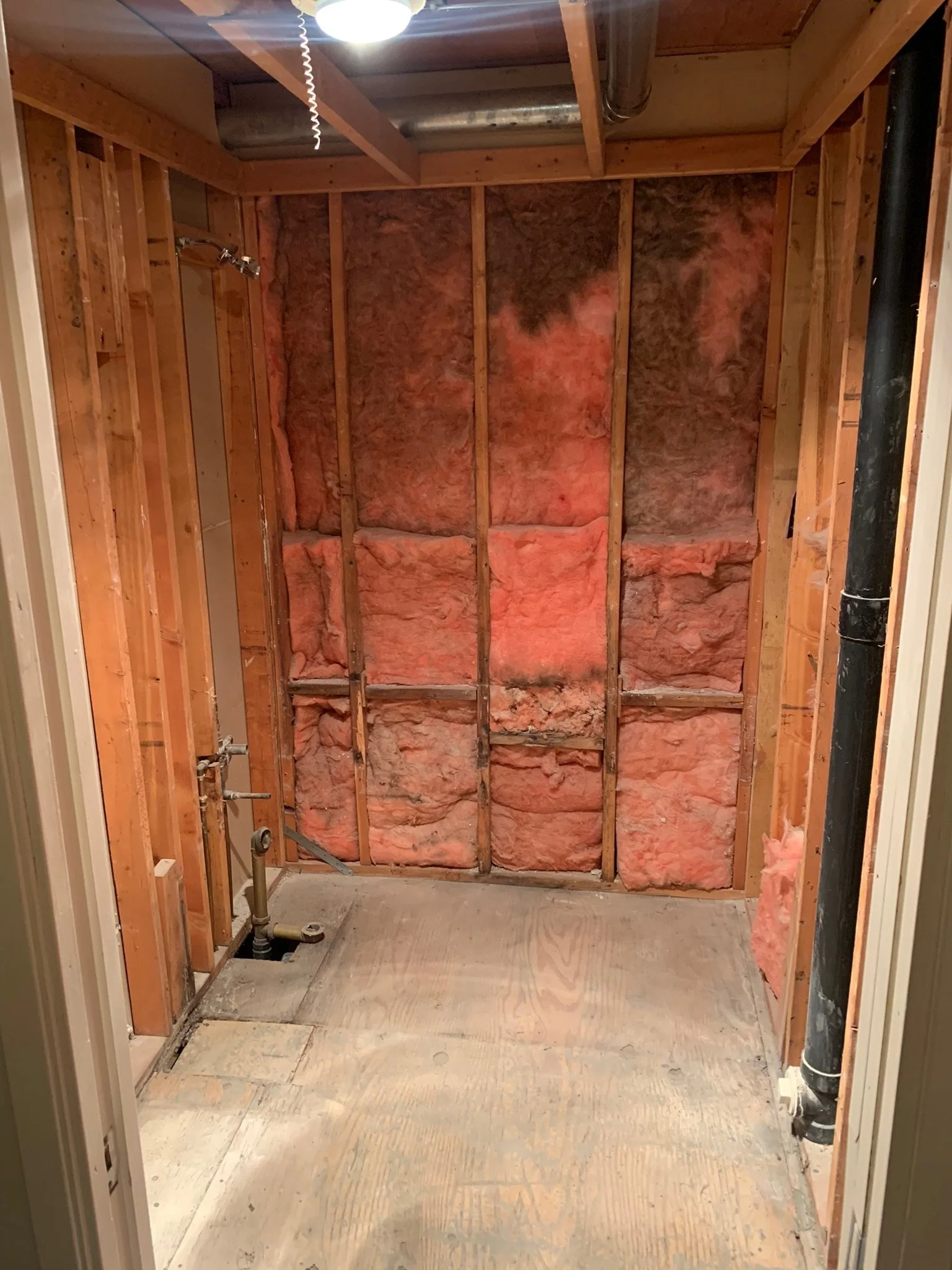
Recent insulation work with SAW Renovations
5. Get ahead of indoor moisture & mould
Between wet jackets, ski gear, long showers and extended rainy periods, Sea to Sky homes build up more moisture than many people expect.
To keep humidity under control:
run bathroom and kitchen fans longer
crack windows briefly after showers
use dehumidifiers in basements or suites
avoid drying large amounts of laundry indoors
wipe condensation from windows
check corners and walls for damp spots
Musty smells, bubbling paint or damp corners are early signs worth addressing.
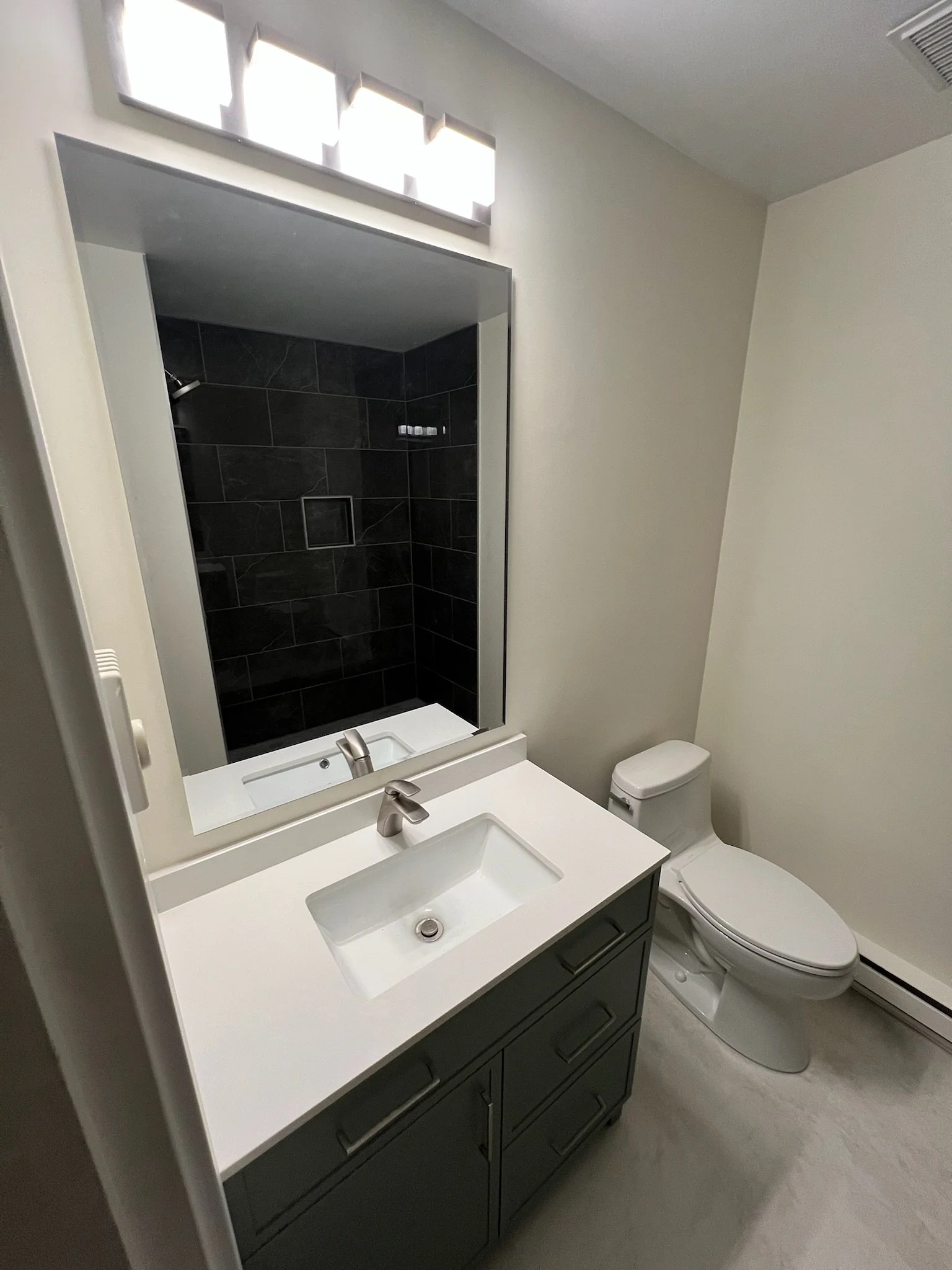
Previous bathroom renovation by SAW Renovations
6. Prevent frozen plumbing
The region sees regular cold spells, and pipes don’t need drastic temperatures to freeze.
Prepare by:
insulating exposed pipes
wrapping vulnerable sections with heat tape
disconnecting hoses
closing crawlspace vents
maintaining consistent heating in cooler rooms and throughout the home
It only takes one freeze for a pipe to burst, causing far more time and money than you would like (particularly if you would rather be up the mountain!).
7. Make walkways and decks winter-safe
Shaded and north-facing areas can stay icy for long stretches.
Check:
deck boards for rot or lifting
handrails for stability
working exterior lighting
early snow removal to prevent compacted ice
ice melt products that are safe for timber and pets
Decks throughout the region expand and contract with cold and moisture, so quick checks keep them safe and maintained.
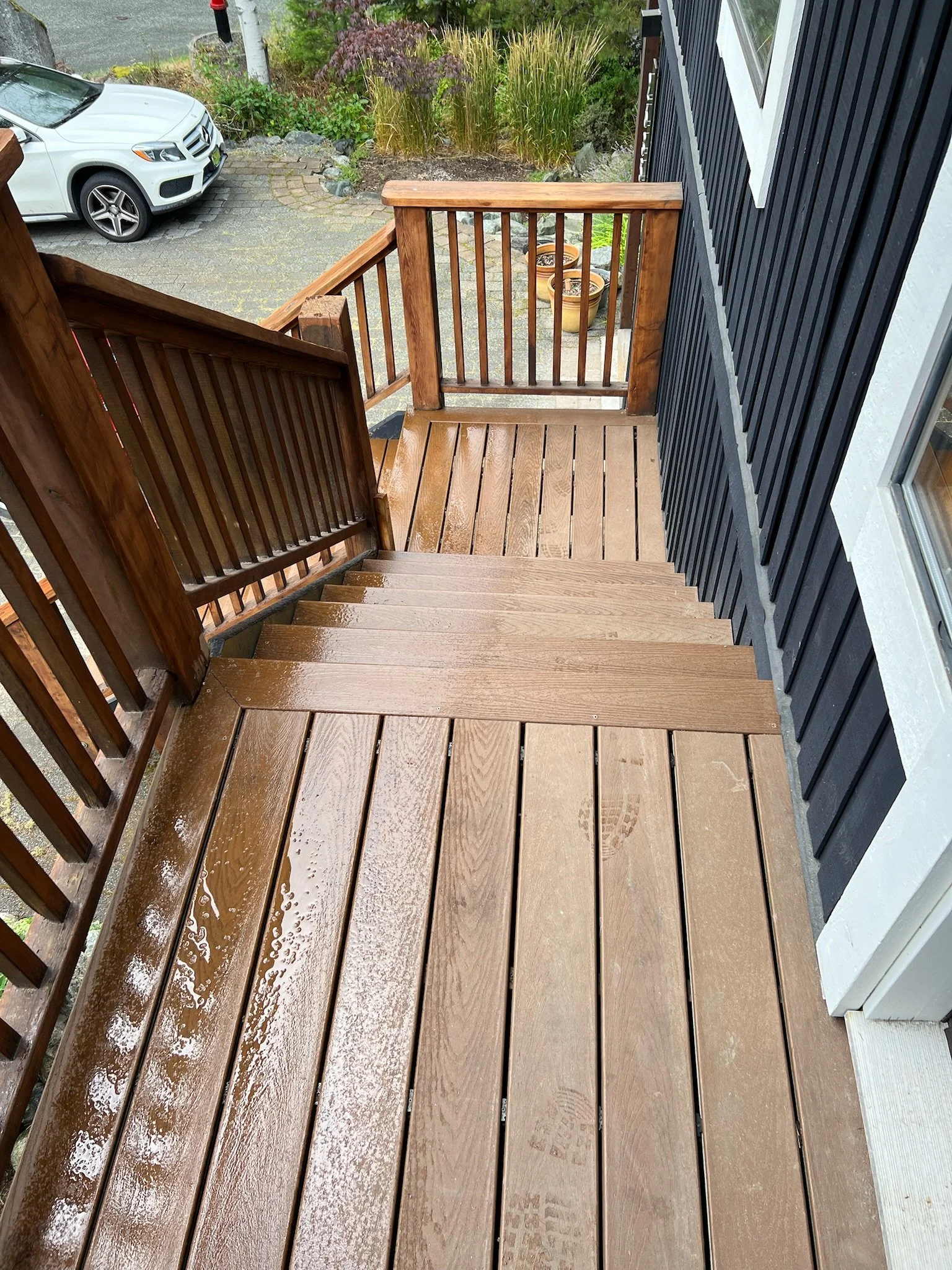
Previous work on exterior timber stairwell and handrails to ensure winter saftey
8. Test smoke alarms and CO detectors
With homes closed up for warmth and more heaters running, all safety devices should be fully functional. Test everything and replace batteries if you’re unsure.
9. Fix Issues Before Winter Backlogs Hit
Trades across the Sea to Sky get booked quickly from December through early spring.
Book repairs early if you notice:
moisture in walls
sagging drywall
peeling paint
persistent drafts
loose or rotting deck boards
roof edge leaks
mould or damp smells
Early fixes are always cheaper and stop small issues from becoming major springtime repairs.
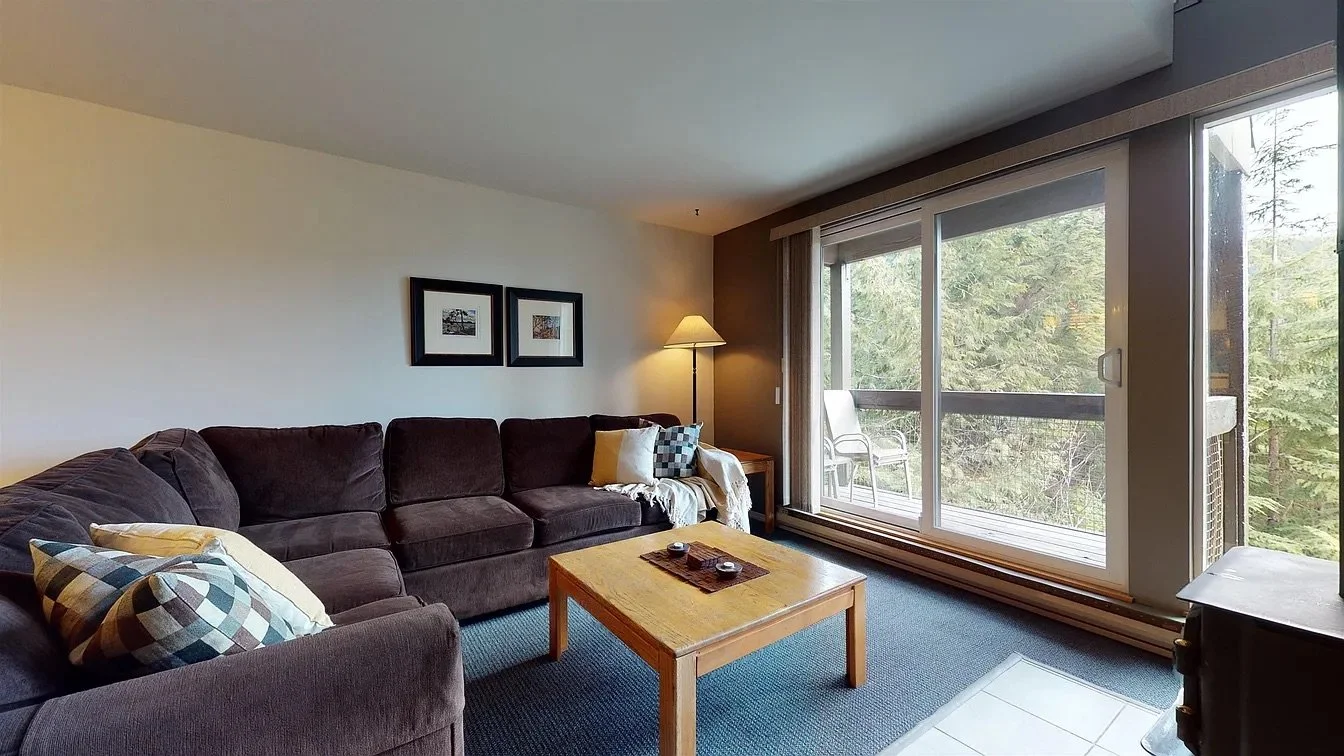
Keep your home cosy, inviting and safe with a pre-winter inspection and repairs by SAW Renovations
Our experience in the corridor
SAW Renovations has worked on hundreds of Sea to Sky homes, from older Whistler chalets to Squamish townhouses and Pemberton cabins. We see the same seasonal patterns each year: moisture creeping into corners, snow putting pressure on roofs, timber shifting with cold snaps and small issues becoming bigger ones if ignored.
This checklist comes directly from the real problems we’re called to fix every winter, giving you practical advice based on years of hands-on local work.

SAW Renovations is here to help you get your home winter-ready.
Need help with winter maintenance or repairs?
SAW Renovations provides reliable home maintenance and renovation services across the Sea to Sky.
We offer:
winter home assessments
repairs and maintenance
moisture and water-damage fixes
small-to-large-scale renovations
interior, exterior and deck work
Call Sam for a free quote and advice on getting your home ready for this winter!
📞 604-966-7558
📧 sawrenovationswhistler@gmail.com
🛠️ Serving Whistler, Squamish and Pemberton
For even more long-term prevention tips, check out our latest guide on How to Avoid Needing Renovations.